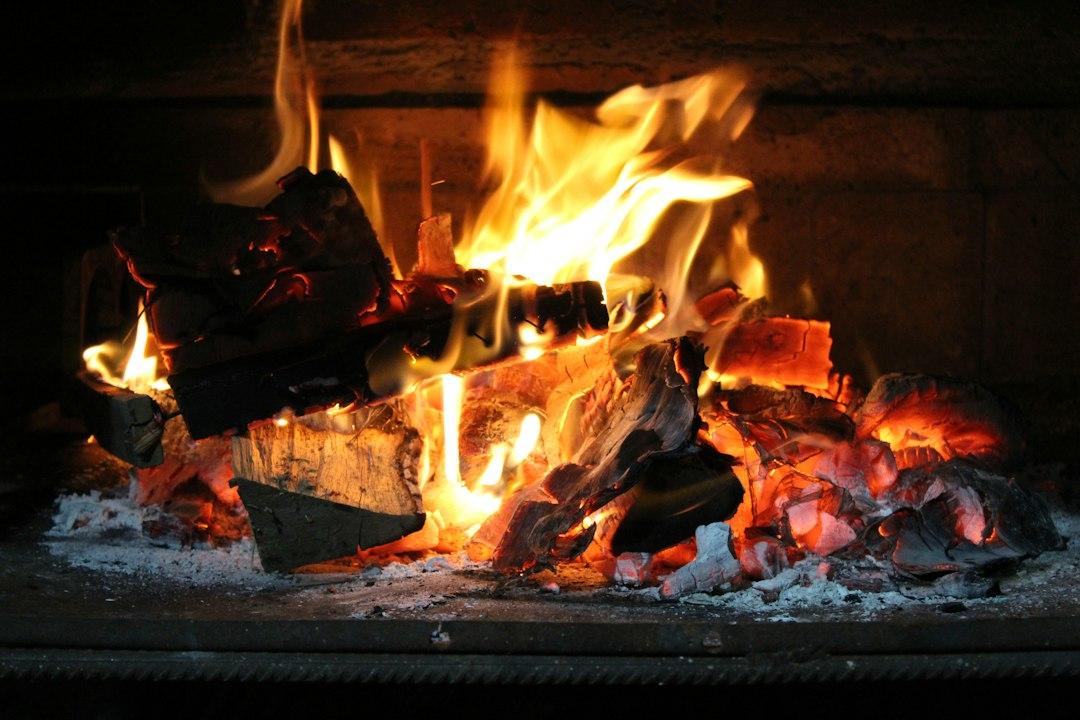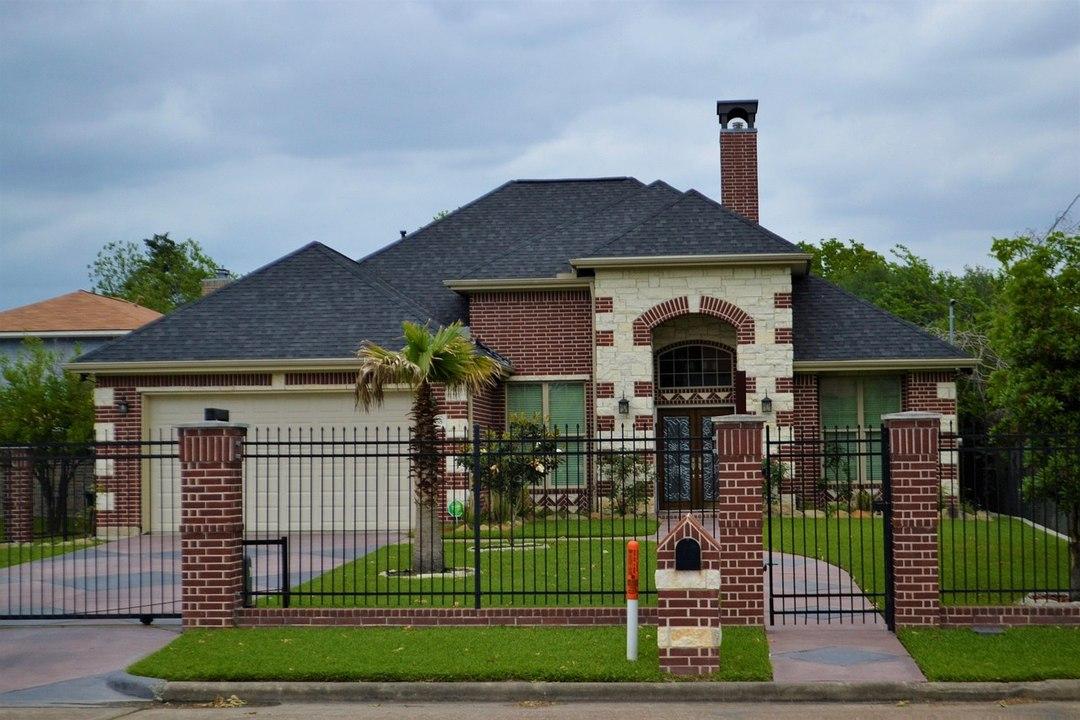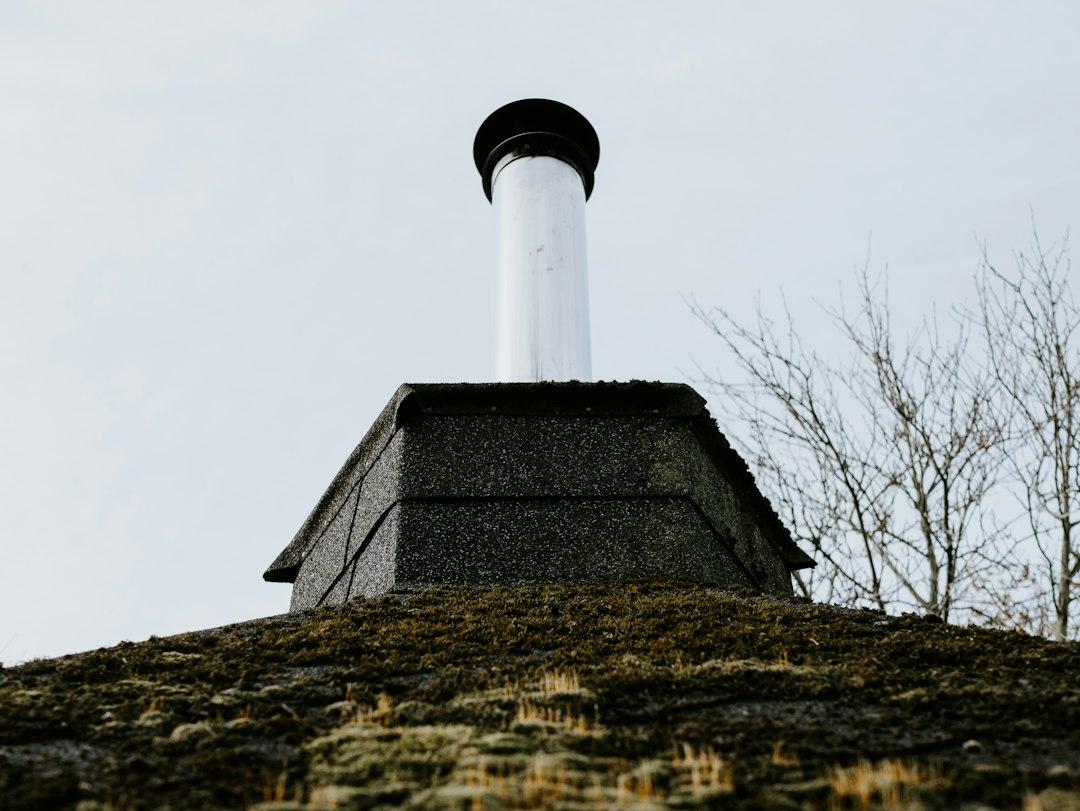
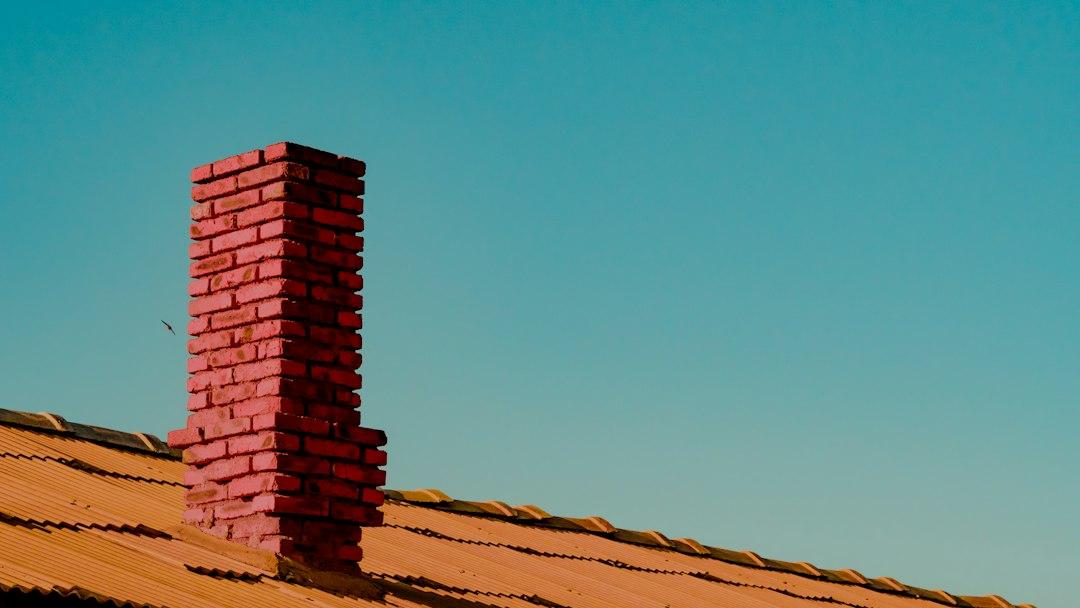
Some fireplaces smoke no matter what. The flue has been brushed, the cap is new, the wood is dry, and still the first ten minutes of every fire fill the room. When the easy fixes are used up, the trouble is usually in the shape of the chimney itself: a passage too small for the opening, a damper that blocks part of the throat, or tiles so cracked that the draft leaks out sideways. In Ventura, where many fireplaces were built long before anyone worried about sizing, this comes up often.
How flue size affects draft
A fireplace opening is a big hole that swallows room air. The flue has to carry away the smoke that air produces. If the inside of the flue is too small compared with the opening, smoke arrives faster than the flue can move it, and the extra spills out the front. Masons long ago settled on rough ratios between the area of the opening and the area inside the flue, and a fireplace built far outside them will struggle.
We measure both and compare them. Sometimes the fix is to make the opening smaller, with a steel smoke guard across the top or a raised hearth. Sometimes it is to reline the flue at a size that suits the opening. And sometimes, if the chimney is already as large as it can be, a sealed insert that brings its own smaller vent is the only real cure.
When a liner helps
A new liner can do three things for a smoky fireplace:
- Fix the size. A liner chosen for the opening carries the right amount of smoke.
- Smooth the passage. Rough, stepped or offset clay tiles slow the gas down. A continuous liner lets it rise without dragging.
- Seal the leaks. Smoke and heat that escape through cracked tiles weaken the draft and can reach wood framing. A sealed liner keeps everything inside.
It is not a cure for every case. If the stack is too short for the roofline, or the house is short of air, a new liner alone will not stop the smoke. That is why we look at the whole system before we recommend one.
Where the damper fits in
In older masonry fireplaces the damper sits in the throat, just above the firebox. Cast iron dampers rust, warp with heat and lose their handles. A plate that only opens part way chokes the draft. A plate that will not close lets warm air out and cold, damp air down all winter, carrying a stale smell into the room.
There are two common repairs. The first is to free, straighten or replace the throat damper. The second is to fit a damper at the top of the chimney that closes with a seal and is worked from below by a handle on a cable. A top damper also keeps rain and animals out when shut, and often helps a house near the coast that smells of damp soot through the summer. When a flue is relined, the old throat damper is often in the way, so the two jobs get planned together.
What you will pay, and why it varies
We do not publish a single figure for relining or damper work. The cost depends on the height of the stack, the shape and size of the passage, how many bends it has, the liner material that suits the fuel you burn, and what has to be done at the throat to make room. A short single storey chimney with a straight run is a very different job from a tall brick stack with an offset halfway up.
What we do publish is the visit that tells us those things. A Level 2 inspection with a video run of the full flue is $370 and is the right start for any relining question, because the camera shows whether the existing tiles are cracked, shifted or missing, and where any bends sit. On a house where the problem might be simpler, a Level 1 at $52 can rule out the cheap fixes first. Related jobs that do have published prices include a sealed gas insert in the existing opening at $2,650 to $5,250. A fitted cap is quoted after we measure.
After the inspection we write down which fix we would recommend, the size and type of liner if one is needed, and the price. To start that process, send the request form above and tell us what has already been tried: sweeps, caps, glass doors, a different kind of wood. That history narrows things down quickly.
Wood, gas or an insert
The liner choice follows the fuel. A wood fireplace needs a liner rated for wood smoke and the heat of a chimney fire. Gas logs in a masonry fireplace have their own venting needs. An insert, wood or gas, normally comes with its own liner sized by the maker. If you are thinking of changing how you heat with the fireplace in the next few years, tell us before we reline, so the liner suits what you will be burning.
Ventura chimneys and the camera
Many older homes in town have clay tile flues set in brick. Earthquakes, decades of heating and cooling, and coastal damp all work at the joints between tiles. The 1994 quake cracked a lot of them across the region. From the firebox, a flue like that can look fine. On camera, you may see tiles stepped sideways, gaps where mortar has fallen out, or sections missing entirely. Those are the cases where a liner is less about draft and more about safety.
Newer houses in Ventura and nearby Oxnard often have factory-built fireplaces with metal chimneys. Those are a different system with tested parts; relining them is not usually the answer, and a smoking prefab unit points us at the cap, the chase top or the room's air supply first.
Pages that go further
- Chimney liner installation describes liner types and the work involved.
- Chimney damper repair covers throat and top dampers.
- Fireplace inserts explains the sealed option.
- Our earlier post on sweep or repair for a smoky room compares the cheaper fixes.
If the easy fixes are behind you and the room still fills up, our contact page is the place to start the camera visit.
Smoke Where It Should Not Be?
Ansel Chimney Works starts from how you describe the trouble, tests the damper, flue and draft, and puts any fix on a written price. Visits run out of Ventura to Oxnard, Port Hueneme, Westlake Village and nearby towns.