"It smells funny when it is on." Owners describe gas fireplace odors in many ways: hot dust, burning plastic, a sour exhaust note, something like a car idling in a garage. Each description points somewhere different, and the repair bill follows the cause. This post sorts the smells we hear about most in Ventura homes, says which are harmless and which are not, and explains how we price the work.
First, the one smell that is not a repair question
The rotten egg smell that utilities add to natural gas means fuel is escaping. That is not something to troubleshoot from the couch. Walk out, leave light switches and phones alone until you are outside, and ring your gas supplier from the sidewalk or a neighbor's porch. Once they have shut off and made the supply safe, we can come and work on the fireplace itself.
Everything below assumes that smell is absent.
Smells that usually mean little
- Hot dust on the first lighting of the season. Dust settles on the burner and the inside of the firebox over summer and cooks off in the first hour. It should fade after one or two uses.
- Paint or oil on a new unit. Fresh paint and factory coatings cure during the first few burns. The maker's manual usually says to run the unit with a window open for a set number of hours.
- A faint warm metal smell. Steel and glass heating up give off a mild odor that most people stop noticing quickly.
If any of these lasts beyond a few fires, treat it as one of the smells in the next list.
Smells that point at a fault
- Sooty or smoky. The flame is not getting enough air, often because logs or embers have been shifted out of their places and are crowding the burner ports. You will often see black film on the glass or on the logs.
- Sharp, stinging, makes eyes water. Exhaust is reaching the room. On a vented log set the damper may be shut or partly closed; on a sealed unit the vent may be blocked, loose or disconnected behind the wall.
- Headache, nausea or tiredness during an evening by the fire. These are early signs of carbon monoxide. Shut the fire off, get windows open, and leave it unused until a test clears it.
- Musty, damp odor when the unit is off. Air is moving down the flue or vent into the room, carrying the smell of a wet chimney. This is a draft problem more than a gas problem, and the same causes we write about for wood fireplaces apply.
What we test on the visit
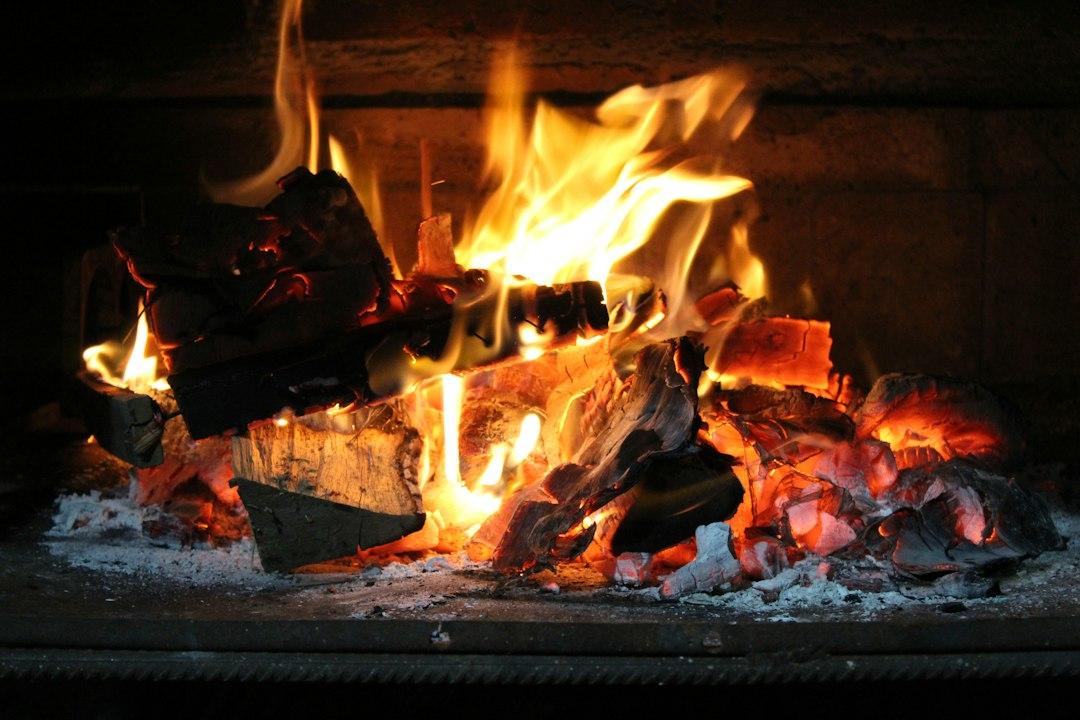
We light the unit and watch it run. A healthy flame is mostly blue at the base with soft yellow tips; a tall, ragged, orange flame is starved of air. We check that logs, embers and glass beads sit where the maker's diagram says they belong. We test the room with a carbon monoxide meter while the unit is running and again near the ceiling. We look at the vent run where it leaves the house, and for a vented set, whether the damper is locked in its open position.
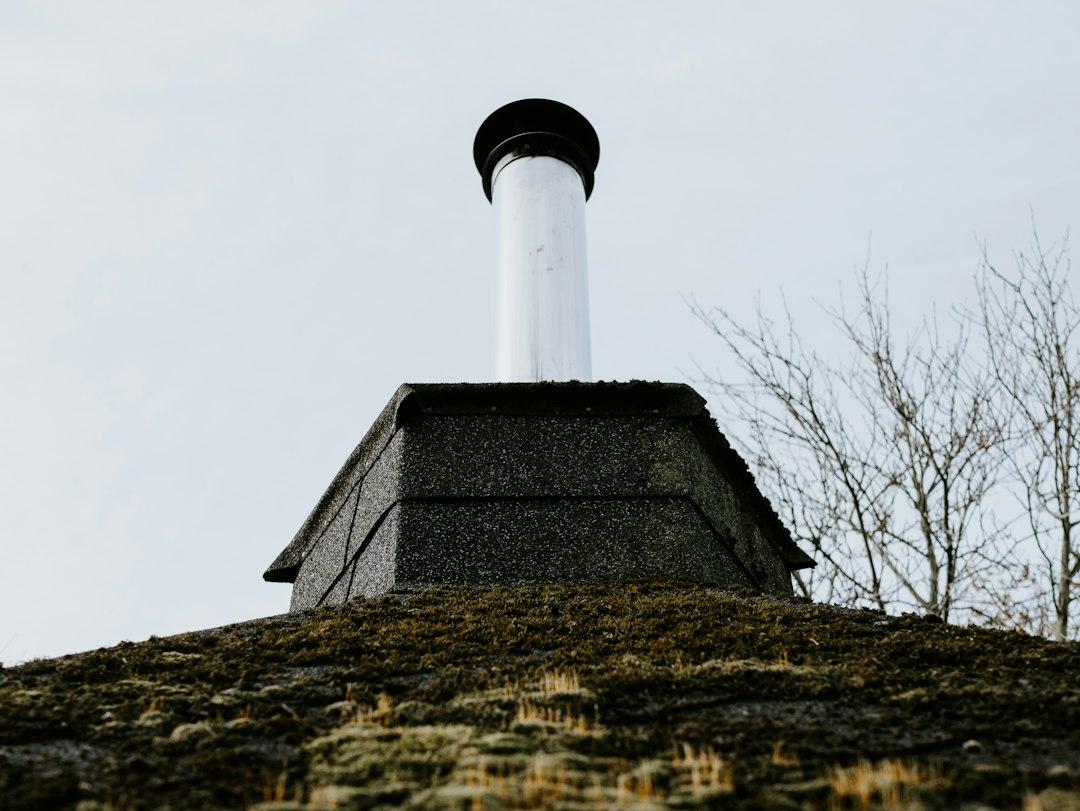
On a sealed, direct-vented unit we check the outside cap for nests, leaves, paint overspray and anything stored against it. Vent caps on the side of a house in Ventura often end up behind a new fence, a hedge or a barbecue, and that can push exhaust back toward a window.
How the price comes together
We do not publish one figure for gas fireplace repair, because the work ranges from repositioning logs and clearing burner ports to replacing a valve or rebuilding a vent run. The cost depends on the fault, the parts the maker still supplies, and how much of the surround or wall has to come off to reach the vent. We price the repair on paper once we have run and tested the unit, before any work starts.
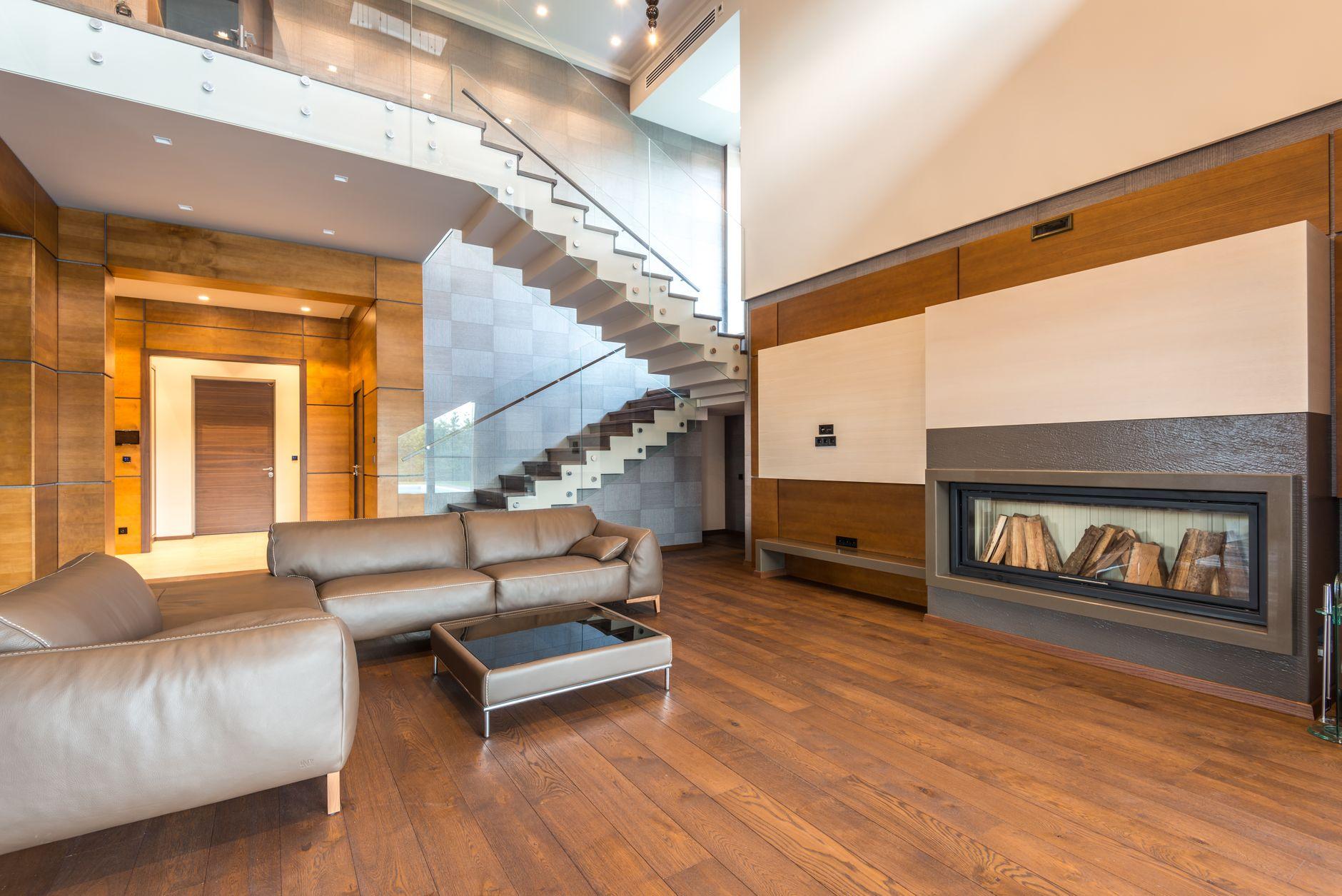
If the visit shows the unit is past saving, you have two published options. A sealed gas insert built into the opening you already have runs $2,650 to $5,250. A sealed, outside-vented gas fireplace framed into a room that never had one runs $4,200 to $8,450.
For a figure on your own fireplace, fill in the request form near the top of this page and describe the smell in your own words, when it happens, and the make of the unit if you know it.
When the chimney is the culprit
Many Ventura homes have gas logs sitting in an old brick fireplace. That setup depends on the masonry flue working, and the masonry flue is subject to all the usual faults: cracked tiles, a missing cap, a damper that will not stay open. If your gas logs started smelling after a wet winter, or after an earthquake rattled the area, a Level 2 inspection with a camera ($370) may be the right first step rather than gas work.
Carbon monoxide alarms
Every home with a gas fireplace should have working carbon monoxide alarms, ideally one near the room with the fireplace and one outside each sleeping area. They are cheap insurance against exactly the faults this post describes. If yours chirps, beeps or is past its replacement date, change it before the next use of the fireplace.
Areas we cover
We work on gas fireplaces across Ventura and in Oxnard, Port Hueneme and Westlake Village. Older homes along the coast tend to have log sets in masonry; newer neighborhoods more often have sealed units vented through the side wall.
More on gas units
- Gas fireplace repair explains what we test and replace.
- Gas fireplace cleaning covers the yearly service.
- Fireplace gas logs covers new log sets and burners.
When the smell is back and you want it gone for good, get in touch through our contact page and tell us what it smells like.
Smoke Where It Should Not Be?
Ansel Chimney Works starts from how you describe the trouble, tests the damper, flue and draft, and puts any fix on a written price. Visits run out of Ventura to Oxnard, Port Hueneme, Westlake Village and nearby towns.