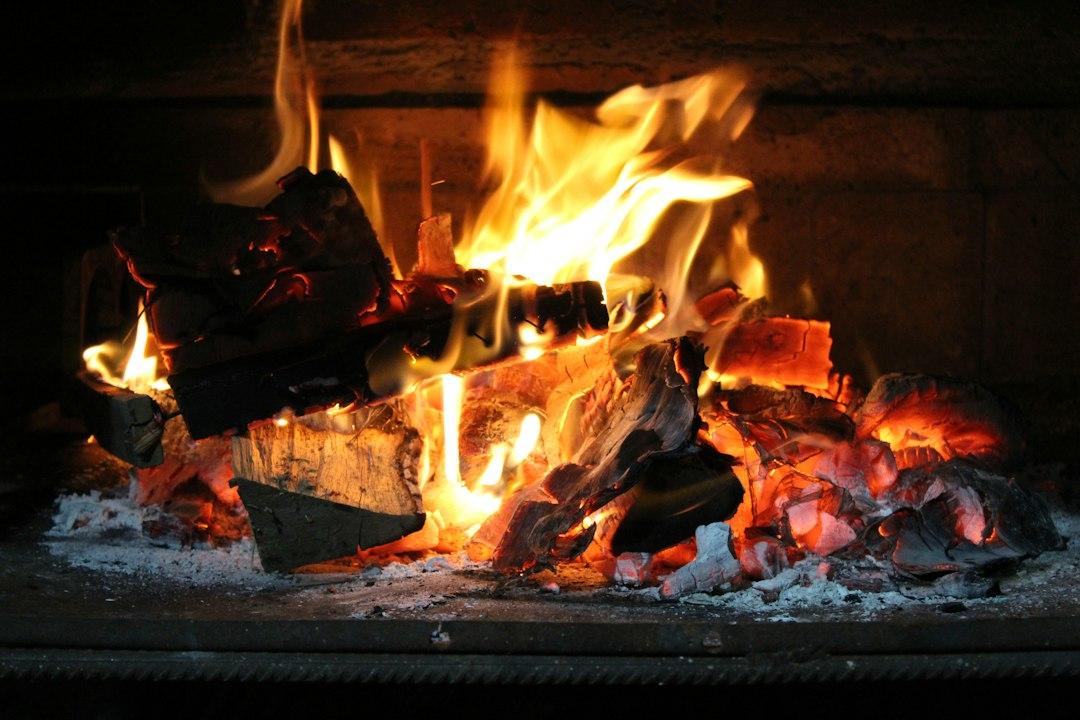
The listing photos show a lovely brick hearth with a basket of logs. At the showing you notice a grey smudge fanning up from the top of the opening, or fresh paint on just that patch of wall, or a faint campfire smell in a room nobody has burned in for months. Those are the marks a fireplace leaves when it smokes. In escrow on a Ventura home, they are worth chasing before you sign away your inspection period.
What the clues usually mean
- Soot fanning up the face of the brick or mantel. Smoke has been rolling out of the opening. The cause may be small, like a damper that sticks, or large, like a flue that was never sized for the opening.
- A newly painted patch above the fireplace. Someone may have covered staining. That is not proof of a problem, but it is a reason to look.
- A stale smoky smell on a warm day. Air is moving down the chimney into the house, carrying the smell of old deposits. It often points at a damper that does not seal or a flue left open with no fire.
- Glass doors fitted to an open masonry fireplace. Owners sometimes add doors to stop smoke. They help, but they can also hide a draft fault.
- A gas log set with dark film on the logs and the brick behind them. The flame has been short of air, or the venting is wrong.
Why the general home inspection is not enough here
A general home inspector covers the whole house and has a lot to get through. Most will open the damper, shine a light, and note what they see, often ending the line with a referral to a chimney specialist. They do not usually measure the flue against the opening, run a camera through the full length, or test for draft. A smoky fireplace is precisely the case where those are what you need.
The fire code's chimney standard, NFPA 211, names a sale as one of the moments when the deeper, camera-level look is called for. That is our Level 2. We send a camera from the firebox to the top, check whatever part of the stack shows in the attic or under the floor, and add the room and roof checks a Level 1 makes.
What it costs, and what comes back
A Level 2 is $370. If you only want a quick visual opinion first, a Level 1 is $52, but on a sale with smoke clues the camera is usually the right call, because the flue is where the expensive faults hide.
The report names each fireplace by room, shows photos and stills for each finding, and says in plain sentences what we saw, where it is, and how serious it is. When a fix has a published price we list it. When it does not, we say so and offer to price it on paper.
Turning findings into a repair request or credit
Here is how some typical smoke related findings line up with our published prices, so you and your agent have something firm to put in front of the seller:
| Finding | Usual fix | Our price |
|---|---|---|
| Heavy deposits narrowing the flue | Full brushing and vacuum | from $395 |
| No cap, or a rusted one | Fitted cap sized to the flue | quoted after we measure |
| Water coming in around the stack | Leak tracing and repair | $525 to $3,150 |
| Wide chimney with nothing diverting water behind it | Diverter built behind the stack | $420 to $950 |
| Same, with flashing past saving | Diverter plus new step and counter flashing | $635 to $1,600 |
| Open fireplace that never drew | Sealed gas insert in the existing opening | $2,650 to $5,250 |
Damper replacement, relining, crown work and smoke chamber parging have no published price, because they vary too much from house to house. If the report calls for one of these, we can visit again during escrow, measure, and put a written figure on it so the negotiation has a real number.
To book the Level 2 for a house you are buying, send the request form on this page with the address, how many fireplaces it has, and who should receive the report: you, your agent, or both.
Access, timing and who gets the report
You do not need to attend. Your agent usually arranges entry with the listing side. The report and photos go to the people you name when you book. If you want the seller to see it as part of a repair request, that is your decision and your agent's.
Order the visit early in your inspection period. A finding that needs a repair figure can take a second visit, and you want room for that before your contingency ends.
When the fireplace turns out fine
Plenty of smudged fireplaces have a simple story: a former owner who burned wet wood, or lit fires with the damper half shut. If the flue is sound, the damper works and the stack is tall enough, the report says so in as many words. That is worth having too. It means you can light the first fire in your new house without wondering.
Older Ventura houses
Many homes near the center of town date from the first half of the last century, with brick chimneys, clay tile flues and simple cast iron dampers. Those materials can last a long time, but a hundred years of fires, coastal damp and earthquakes takes a toll. The 1994 quake shook chimneys across the region, and some older stacks were patched at the top without anyone looking inside. A camera is how you tell whether that history matters for the house you are buying.
Related pages
- Home sale chimney inspection explains our process for buyers and sellers.
- Chimney inspections for real estate agents covers how agents book and receive reports.
- Level 2 chimney inspection describes the camera visit itself.
In escrow and seeing smoke stains? Use our contact page and tell us which side of the deal you are on.
Smoke Where It Should Not Be?
Ansel Chimney Works starts from how you describe the trouble, tests the damper, flue and draft, and puts any fix on a written price. Visits run out of Ventura to Oxnard, Port Hueneme, Westlake Village and nearby towns.